

What are the disadvantages of side wall trailers?
Nov 10, 2025
Leave a message
As a supplier of side wall trailers, I've had the privilege of witnessing firsthand the numerous advantages these trailers offer. They are versatile, providing a secure and weather - resistant environment for transporting a wide range of goods. However, like any product, side wall trailers also come with their share of disadvantages. In this blog post, I'll delve into some of the key drawbacks that potential buyers should be aware of.
1. Limited Accessibility
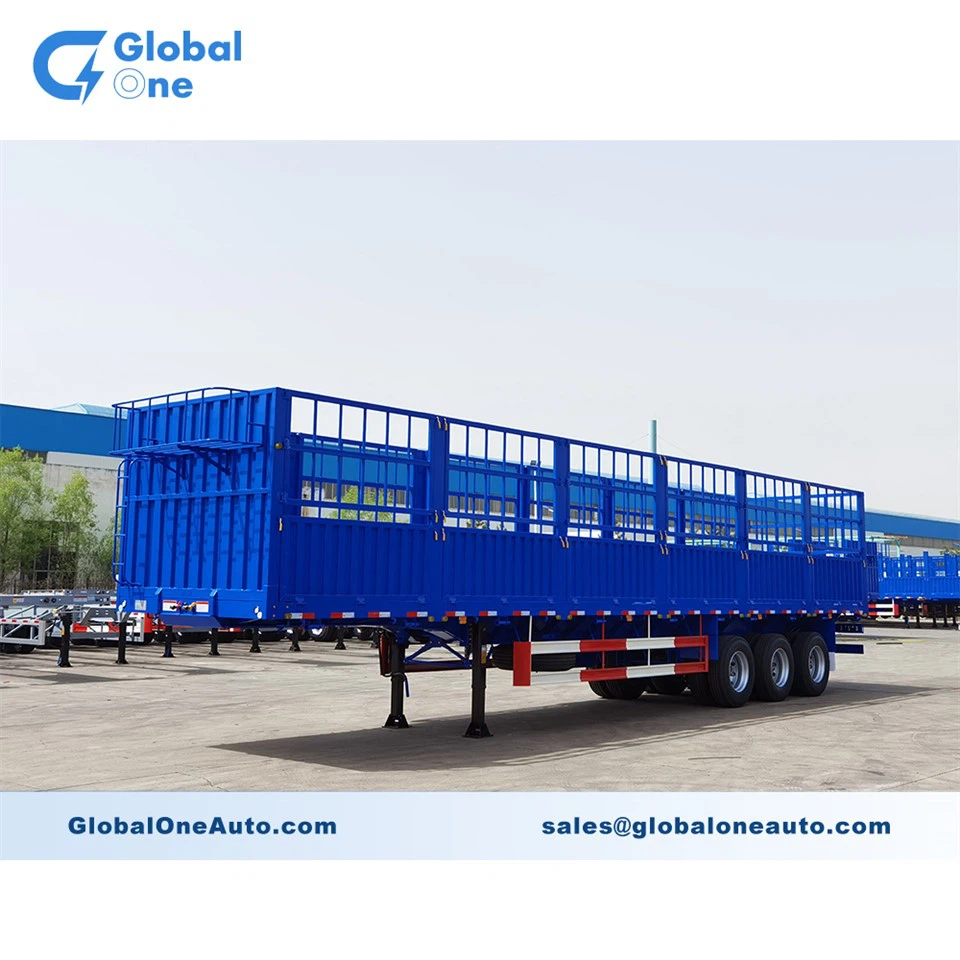
One of the most significant disadvantages of side wall trailers is their limited accessibility. Unlike open - top or flatbed trailers, the side walls restrict easy access to the cargo. Loading and unloading can be a more cumbersome process, especially when dealing with large or oddly - shaped items. For instance, if you need to load a piece of heavy machinery that requires a crane, the side walls can get in the way. The crane operator has to be extra cautious not to damage the walls while maneuvering the equipment in and out of the trailer.
This limited accessibility also affects the speed of loading and unloading operations. In a busy logistics environment where time is of the essence, any delay can lead to increased costs. Trucks may have to wait longer at loading docks, which can disrupt delivery schedules and potentially lead to customer dissatisfaction. For businesses that rely on quick turn - around times, this can be a major drawback.
2. Higher Initial Cost
Side wall trailers generally come with a higher initial cost compared to other types of trailers. The materials used to construct the side walls, such as high - quality steel or aluminum, add to the manufacturing expenses. Additionally, the technology and engineering required to ensure the walls are sturdy and weather - proof also contribute to the elevated price.
When a company is looking to expand its fleet, the higher cost of side wall trailers can be a deterrent. Smaller businesses, in particular, may find it challenging to allocate the necessary funds for purchasing these trailers. Instead, they might opt for more budget - friendly alternatives, even if they sacrifice some of the benefits that side wall trailers offer. For example, a startup logistics company might choose an open - top trailer initially due to its lower price, despite the potential risks of cargo damage from weather or theft.
3. Increased Weight
The side walls of these trailers add significant weight to the overall structure. This increased weight has several implications. Firstly, it reduces the payload capacity of the trailer. Since trucks have weight limits imposed by transportation regulations, a heavier trailer means less space for carrying goods. For example, a 40ft Side Wall Trailer [/trailer/side-wall-trailer/40ft-side-wall-trailer.html] might have a lower payload capacity compared to a similar - sized flatbed trailer.
Secondly, the extra weight can lead to higher fuel consumption. The engine of the truck has to work harder to pull the heavier load, which in turn burns more fuel. Over time, this can result in substantial additional costs for the transportation company. With the rising cost of fuel, this is a concern that cannot be ignored.
4. Maintenance Challenges
Maintaining side wall trailers can be more complex and costly than other types of trailers. The side walls are exposed to various elements during transportation, such as rain, snow, and road debris. This exposure can lead to corrosion, especially if the trailers are not properly maintained. Rust can weaken the structure of the walls, compromising their integrity and safety.
Repairing damaged side walls can also be a time - consuming and expensive process. If a wall is dented or punctured, it may require specialized equipment and skilled labor to fix. In some cases, the entire wall may need to be replaced, which can be a significant financial burden. For example, if a side wall of a 40ft High Wall Trailer [/trailer/side-wall-trailer/40ft-high-wall-trailer.html] is severely damaged, the cost of replacement can be quite high.
5. Lack of Flexibility in Cargo Types
While side wall trailers are suitable for many types of cargo, they do have limitations in terms of the types of goods they can transport. The enclosed nature of the trailers makes them less suitable for oversized or irregularly - shaped items that cannot fit through the standard doors or hatches. For example, long pipes or large - scale construction materials may not be easily accommodated in a side wall trailer.
Moreover, some goods that require ventilation or special handling may not be well - suited for these trailers. Perishable items, such as fruits and vegetables, often need proper air circulation to prevent spoilage. The enclosed environment of side wall trailers may not provide the necessary ventilation, which can lead to a higher risk of product damage.
6. Difficulty in Customization
Compared to other trailers, side wall trailers can be more difficult to customize. The pre - engineered design of the side walls makes it challenging to make significant modifications to the trailer's interior or exterior. For instance, if a customer wants to install additional storage compartments or modify the door layout, it may require a lot of time and resources.
This lack of customization can be a drawback for businesses with specific cargo - handling requirements. They may find it difficult to adapt the side wall trailer to their unique needs, forcing them to look for other trailer options that offer more flexibility in customization.

7. Higher Insurance Premiums
Insurance companies often charge higher premiums for side wall trailers. The higher initial cost, increased weight, and the potential for more expensive repairs all contribute to the elevated insurance rates. This additional cost can be a burden for transportation companies, especially those operating on tight budgets.
The enclosed nature of the trailers also increases the risk of theft, as thieves may be more attracted to the potentially valuable cargo inside. Insurance companies take this into account when calculating premiums, further driving up the cost of insuring side wall trailers.
Despite these disadvantages, side wall trailers still have their place in the transportation industry. They offer excellent protection for cargo, security, and can be a great choice for many types of goods. If you're considering purchasing a side wall trailer, it's important to weigh these drawbacks against the benefits to make an informed decision.
If you have any questions or are interested in discussing the suitability of side wall trailers for your business, I encourage you to reach out. We can have a detailed conversation about your specific needs and see if our side wall trailers are the right fit for you. Whether you're looking for a 40ft Side Wall Trailer [/trailer/side-wall-trailer/40ft-side-wall-trailer.html] or a 40ft High Wall Trailer [/trailer/side-wall-trailer/40ft-high-wall-trailer.html], we're here to assist you in the procurement process.
References
- "Trailer Design and Engineering Principles" - A comprehensive guide on trailer construction and functionality.
- "Transportation Economics and Logistics" - A book that discusses the cost - benefit analysis of different types of trailers in the transportation industry.
- Industry reports from leading trailer manufacturers and logistics research firms.